
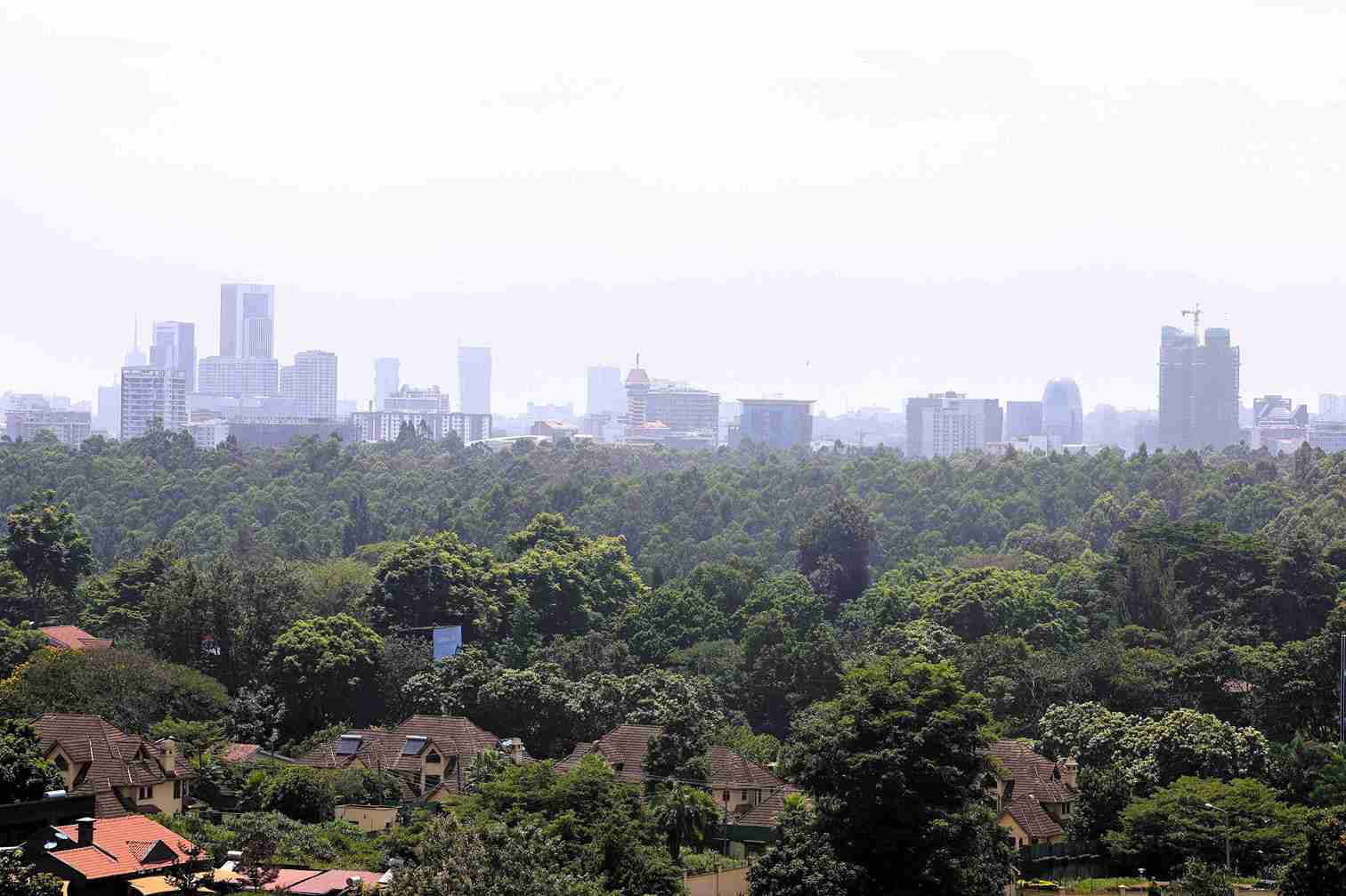
The 2026 Innovate4Cities Conference in Nairobi brought together researchers, governments, practitioners and communities around a central question: how can climate knowledge move more quickly into urban decisions and investment?
Housing and infrastructure emerged as core themes. For built-environment professionals, resilience therefore needs to move beyond environmental reporting and become part of everyday planning, design, engineering and cost decisions.
Resilience begins with location and land use
Site selection, drainage context, access, surrounding infrastructure and exposure to flooding or heat can have long-term consequences that are difficult to correct later. Early planning should consider both current conditions and future climate stresses.
Blue-green infrastructure can complement conventional systems
Nature-based solutions — including landscape systems, urban vegetation, restored waterways and permeable surfaces — can support stormwater management, cooling, biodiversity and public-space quality. They should be evaluated alongside conventional “grey” infrastructure rather than treated as decorative landscaping.
Data needs to inform design decisions
Climate-resilient projects require better use of evidence: rainfall intensity, drainage capacity, heat exposure, water demand, energy demand and vulnerability of surrounding communities. Digital tools can strengthen analysis, but reliable local data and professional judgement remain essential.
Implementation is the real test
- Integrate resilience requirements into project briefs.
- Allocate budgets to adaptation measures early.
- Coordinate landscape, drainage, architecture and engineering.
- Protect resilience measures during value engineering.
- Plan for maintenance and operational responsibility.
Resilience is ultimately about whether buildings and infrastructure continue to serve people under changing conditions. That makes it a project-delivery issue as much as an environmental one.