
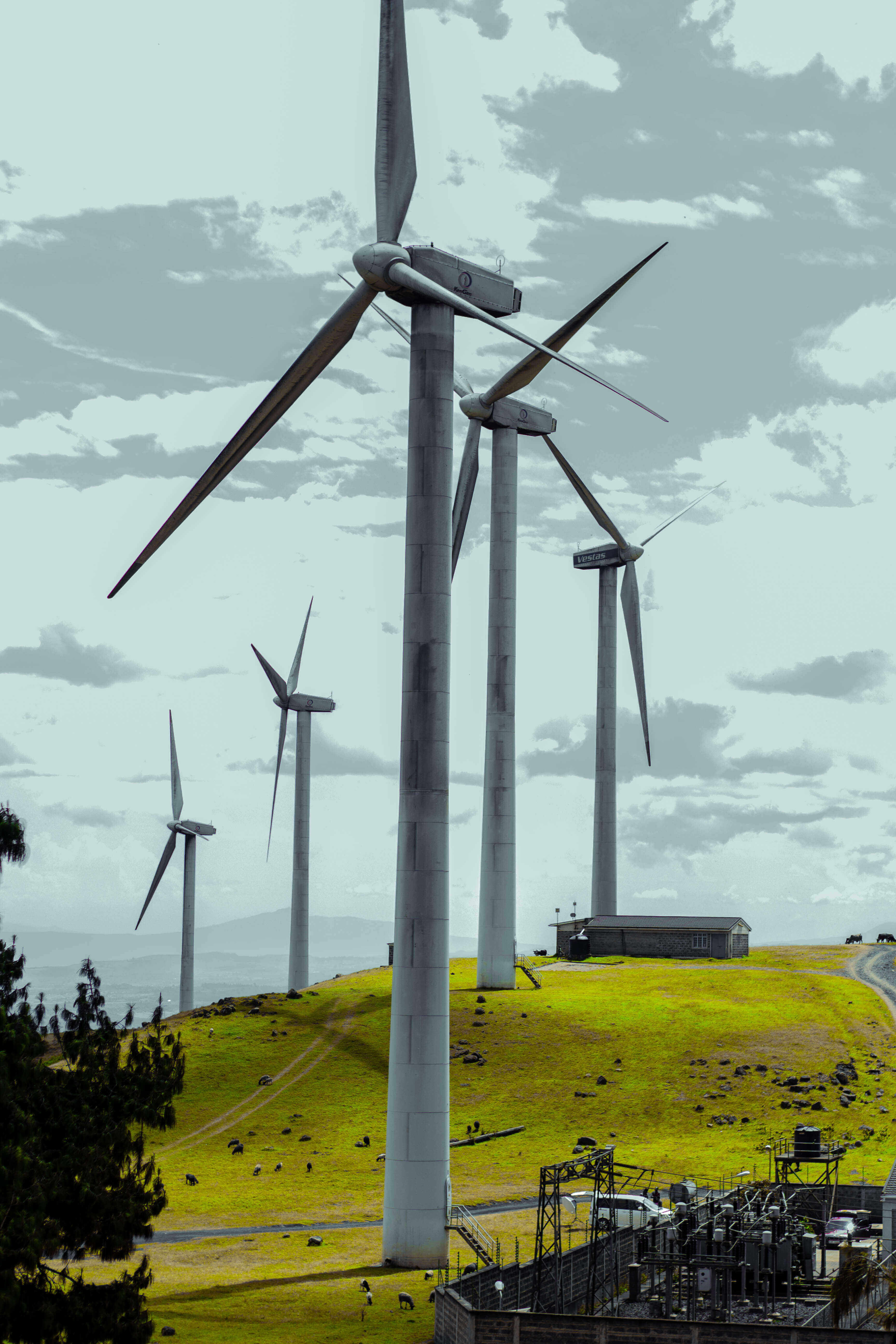
Kenya has built one of Africa’s most renewable electricity systems. The International Energy Agency reports that nearly 90% of Kenya’s electricity mix is derived from renewable sources, while electricity access increased from 37% in 2013 to 79% in 2025.
That success creates a new engineering challenge: the system must integrate growing wind and solar generation while maintaining stability, reliability and affordability.
Generation capacity is only part of the solution
Variable renewable energy does not always produce electricity at the same time that demand peaks. The IEA assesses Kenya as being in Phase 3 of variable renewable energy integration, where wind and solar are already influencing system operation. As penetration increases, forecasting, dispatch, reserve management and system flexibility become increasingly important.
Storage can support a more flexible system
Battery energy storage can respond rapidly to fluctuations in supply and demand, support reserves and reduce operational stress. Storage is not a substitute for network planning, but it can become an important part of a wider system that includes flexible generation, demand response, stronger transmission and regional power trading.
Building design also has a role
Commercial and industrial projects can contribute through energy efficiency, load management, on-site solar, appropriate standby systems and — where justified — battery storage. Good electrical engineering should consider both present loads and future changes in tariffs, technology and grid interaction.
Key considerations for project teams
- Design electrical infrastructure around realistic demand profiles.
- Consider energy efficiency before adding generation capacity.
- Evaluate solar and storage against lifecycle economics, not only capital cost.
- Plan protection, metering and control systems for future flexibility.
- Coordinate major power requirements with utilities and regulators early.
Kenya’s renewable transition is moving from a generation story to a systems-integration story. For building and infrastructure projects, this makes electrical design, energy management and long-term operational flexibility more important than ever.