
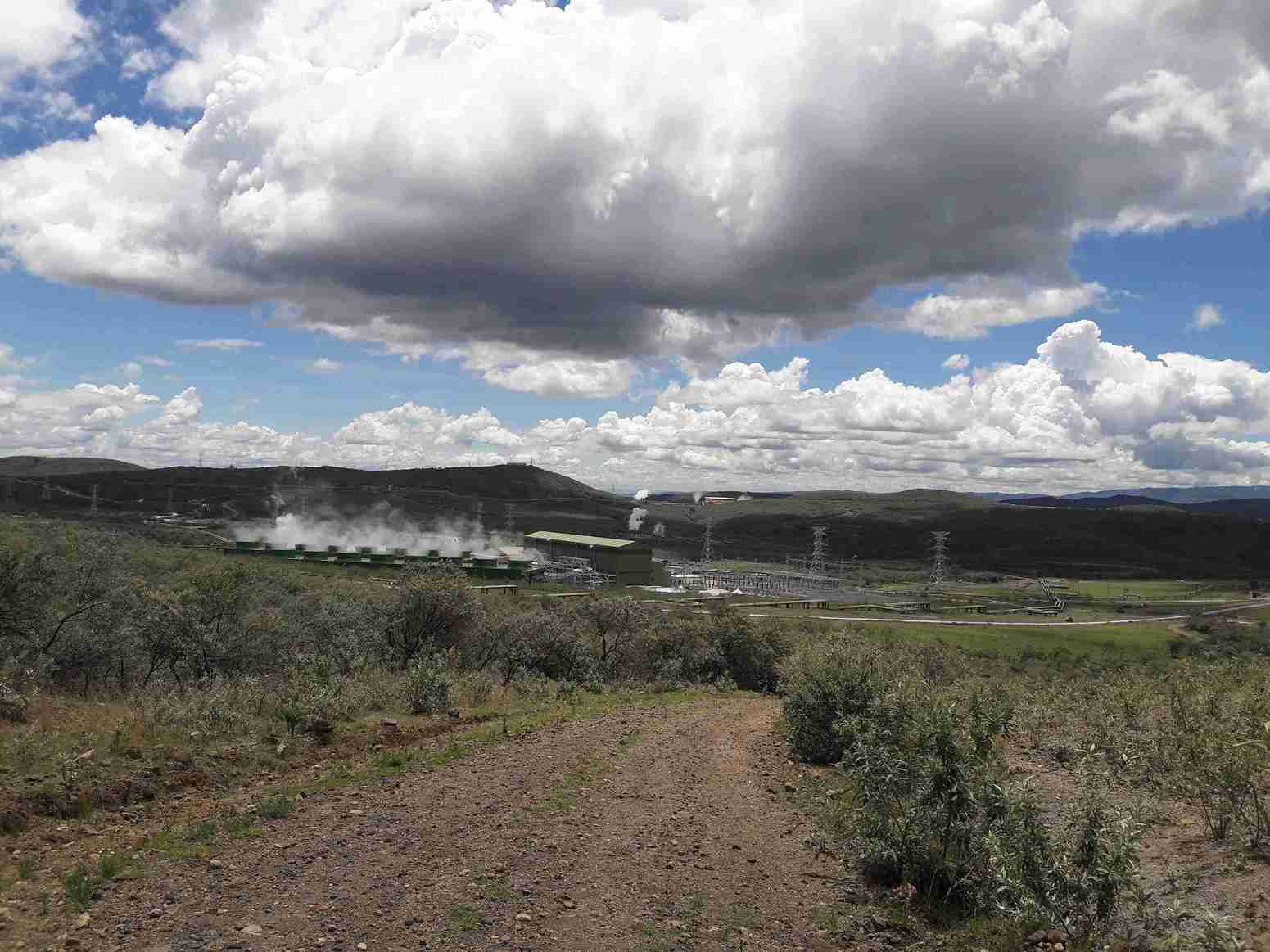
Geothermal power remains one of Kenya’s most important strategic energy assets. EPRA’s statistics for the financial year ended June 2025 show geothermal generation accounting for 39.51% of total electricity generation, with installed geothermal capacity of 943.7 MW.
Why geothermal is different
Unlike variable wind and solar resources, geothermal plants can provide stable baseload generation. This makes geothermal particularly valuable in a power system with growing shares of variable renewable energy and rising demand from households, businesses and industry.
Reliable power supports investment
For commercial, industrial and institutional developments, power quality and reliability affect operational continuity, equipment selection, standby requirements and lifecycle costs. A stronger renewable grid can improve the wider investment environment, although individual projects must still assess site-specific utility capacity and reliability.
Efficiency remains important
A renewable national grid does not remove the business case for efficient buildings. Lower demand can reduce operating costs, electrical infrastructure size, standby-generation requirements and exposure to tariff changes.
Engineering implications for projects
- Establish realistic maximum demand rather than oversizing infrastructure.
- Use efficient lighting, motors, HVAC systems and controls.
- Coordinate standby generation and UPS requirements with actual critical loads.
- Assess power factor, harmonics and protection requirements for major equipment.
- Consider on-site renewable generation where lifecycle economics justify it.
Kenya’s geothermal resource gives the country a strong renewable foundation. The next opportunity is to combine that national advantage with efficient, resilient and well-managed energy use at building and infrastructure level.