
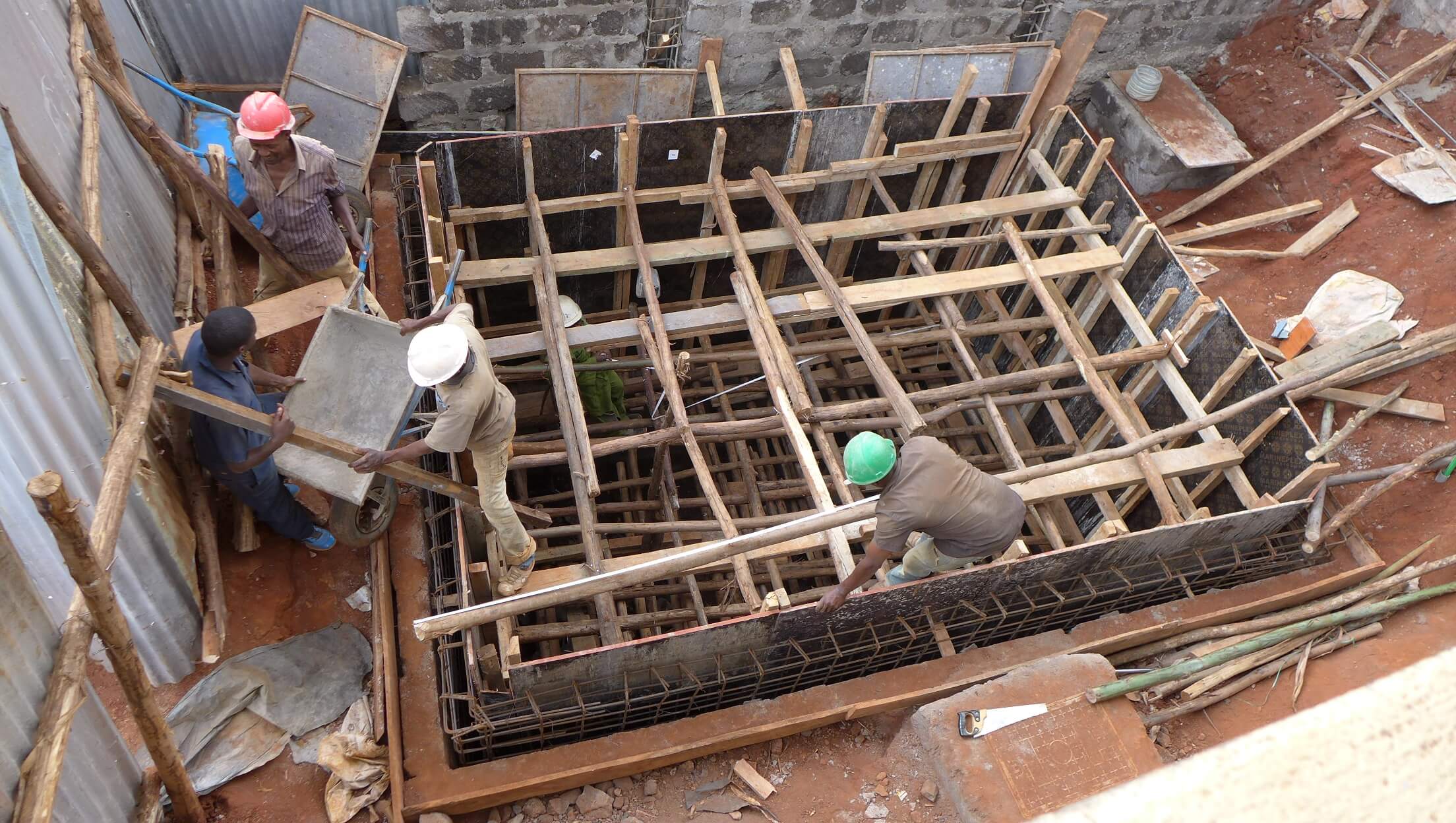
Kenya’s construction sector entered 2026 from a markedly stronger position than a year earlier. The Kenya National Bureau of Statistics reports that construction activity expanded by 6.8% in 2025, reversing the 0.7% contraction recorded in 2024. For developers, consultants and contractors, that improvement is encouraging — but stronger sector activity does not remove the need for disciplined project controls.
Growth increases the premium on preparation
When activity accelerates, competition for materials, specialist subcontractors, equipment, finance and experienced professionals can increase. A project that is inadequately defined at feasibility stage may therefore face greater exposure to changes in cost, programme and procurement conditions.
For project owners, the practical response is to strengthen the front end of the project: establish the business case, confirm scope, test the budget, define procurement strategy, identify statutory requirements and develop a realistic delivery programme before major commitments are made.
Cost certainty remains a management discipline
A growing construction market does not automatically mean stable costs. Project teams should continue to monitor material prices, labour, financing conditions, foreign-exchange exposure for imported systems and changes in statutory or technical requirements. Cost plans should be treated as active management tools rather than documents produced only at design milestones.
Coordination is increasingly valuable
Architectural, structural, building-services, quantity surveying and project-management decisions are interconnected. Early multidisciplinary coordination can reduce redesign, procurement delays, variations and site conflicts. This is particularly important for technically complex commercial, residential, healthcare, hospitality and infrastructure developments.
What project sponsors should do now
- Validate project feasibility against current market conditions.
- Develop realistic contingencies for cost and programme risk.
- Coordinate design disciplines before tender documentation is finalised.
- Review procurement packaging and long-lead items early.
- Maintain transparent cost, risk and progress reporting during construction.
Kenya’s construction rebound creates opportunity. The projects most likely to benefit are those supported by clear scope, coordinated design, robust cost management and accountable project leadership.